You’ve just finished a long day at the office in DTC, you reach into your pocket at your front door in Wash Park, and… nothing. Being locked out is stressful enough without wondering whether the locksmith you call is going to overcharge you. Many top search results for “locksmith near me” are national dispatch services, not local shops, and some use a costly “drill-first” approach that destroys your hardware when you only needed to get back inside.
A real professional uses non-destructive entry: specialized tools that open the door without breaking your lock. This guide covers how to tell the difference, what to ask before you book, and a few things every Denver homeowner should know about their locks.
Start with what kind of help you need
Knowing what you need makes it easier to find the right person and get an accurate quote.
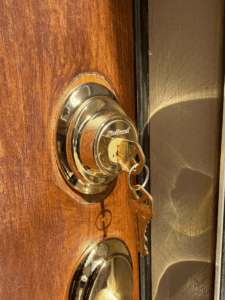
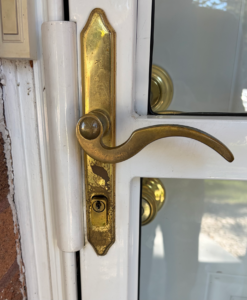
- Residential: house lockouts, rekeying, lock repair and replacement, deadbolts and smart locks.
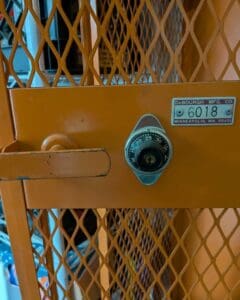
- Commercial: office and storefront locks, rekeying after staff changes, master key systems, panic bars.
- Automotive: car lockouts, key replacement and fob programming.
Many locksmiths do all three, but ask whether they regularly handle your specific job, especially for car keys and commercial hardware.
Spotting the red flags
Dispatch services often quote a very low price over the phone, then send a subcontractor who raises the bill once the door is open. Avoid this trap by looking for a verified local address and BBB accreditation before making the call.
Be cautious if a locksmith:
- Answers the phone with a generic “locksmith services” instead of a business name
- Gives a surprisingly low quote but won’t say what’s included
- Demands payment before doing any work
- Won’t show identification or explain who they work for
- Goes straight for the drill on a standard residential lockout
When the technician arrives, check before they touch your door:
- A clearly marked company vehicle
- An ID badge or company uniform
- A written estimate before any work begins
- Professional entry tools, not just a power drill
A good locksmith will also ask for your ID and proof that you live at or own the property. That’s a good sign: it means they won’t open your door for someone else either.
Questions to ask before you book
Colorado doesn’t license locksmiths at the state level, so a few direct questions do most of the vetting for you:
- Is there a service call or trip fee? Get it separately from the labor.
- What does the price include, and what could change it? Ask about extra charges for parts, mileage or difficult locks.
- Can you rekey instead of replacing? An honest locksmith will tell you when your existing locks are fine.
- Are you insured? Insurance protects you if your door or lock is damaged during the job.
- Do you stand behind your work? Ask whether they offer any guarantee on parts or labor.
Pay attention to how they answer. A locksmith who’s courteous and clear on the phone is usually the same on your doorstep.
How to read locksmith reviews
Reviews on Google, Yelp and the BBB are one of the best ways to judge a locksmith, if you read them the right way:
- Look for consistency. A steady run of good reviews over months says more than a handful of five-star ratings posted in one week.
- Look for details. Reviews that describe a real job, such as a rekey after a move, a car lockout or a broken key, are more trustworthy than “Great service!”
- Read the negative ones. Watch for patterns like bait-and-switch pricing or damaged doors, and see how the business responds.
Personal recommendations still count too. Ask neighbors, friends or your property manager who they’ve used.
What to expect when you call
- Explain the problem. Locked out, lost key, broken key or a lock that won’t turn. For cars, give the year, make and model.
- Give your exact location. A mobile locksmith comes to you, so precise details help.
- Get the quote and confirm it. You should know the cost before anyone starts working.
- Show ID when they arrive. Then they do the work and test it before leaving.
The “password reset” for your home: why rekeying saves money
Most new Denver homeowners assume moving in means buying new doorknobs and deadbolts. Unless you’re upgrading to a smart lock, you usually just need a “password reset.” Inside your lock is a cylinder filled with tiny metal pins. A locksmith swaps those pins so the lock matches a brand-new key, making every old copy useless while keeping your existing hardware.
Because you’re not paying for new hardware, rekeying usually costs a fraction of replacing the locks. Call or text for a quote on your locks.
Rekeying only works if the lock is in good shape. If your deadbolt feels gritty, or you have to fight the door to turn the key, replacement may be necessary. Sometimes, though, a stubborn lock isn’t broken at all.
When the Front Range freeze hits: solving jammed locks
Colorado’s big temperature and humidity swings make wooden doors and frames shift. That movement often looks like a broken lock. If you have to lift or lean on the door to turn your key, the deadbolt is probably just missing its target because the frame has moved.
The fix is usually adjusting the strike plate, the metal plate on the frame that receives the bolt. Repositioning it restores smooth operation. While you’re at it, swapping the short factory screws for three-inch screws makes the door much harder to kick in.
Don’t force a misaligned lock. That’s how keys snap off inside the cylinder, and getting the pieces out takes professional tools.
Security upgrades worth knowing about
Before buying new locks, check their ANSI grade, essentially a crash-test score for door hardware:
- Grade 1: the armored SUV, built for heavy commercial use and maximum force resistance.
- Grade 2: the reliable family crossover, good for most home exterior doors.
- Grade 3: the basic commuter car, fine for interior doors but too light for exterior ones.
Keypad and smart locks let you give temporary codes to dog walkers or contractors without hiding a spare key under a rock. For landlords and businesses, master key systems let one key open every door while each tenant or employee key opens only their own.
Beyond the front door
Losing a modern car key doesn’t mean an expensive dealership tow. A mobile locksmith can cut a new key and program its chip to your car right where it’s parked, and remove a key that’s snapped off in the ignition. More on car keys and lockouts.
Apartment mailboxes are different: many cluster mailboxes belong to the Postal Service or your property, so the lock change has to go through your property manager or the post office.
Find a locksmith before you need one
The best time to choose a locksmith is before you’re standing outside in the cold. A local locksmith you’ve used before already knows your property, can give you better advice as your needs change, and is one call away for lockouts, rekeys and upgrades.
Your 3-step security action plan
- Save a vetted local locksmith’s number. Lucky Lock: call or text 720-453-7334.
- Audit your spare keys. Keep one with someone you trust, not under the mat. If you don’t know who has copies, rekey.
- Check your deadbolt alignment before winter. If the bolt drags or you have to push the door, adjust the strike plate or have it looked at before it fails.
Need a locksmith in Denver or Aurora? Call or text Lucky Lock at 720-453-7334, or book online and save 15%.